
Powering India's Future: The Role of Nano Carbon Black
In the global race towards sustainable energy, India stands at a pivotal juncture. With ambitious goals for electric mobility and renewable energy storage, the demand for high-performance batteries has never been greater. At the heart of this technological revolution lies a humble yet powerful material: nano carbon black. This isn't just ordinary carbon; it's a meticulously engineered nanomaterial that is setting new benchmarks as a critical electrode material and lithium-ion additive.
For Indian researchers, scientists, and manufacturers in the battery industry, understanding the nuances of conductive carbon is paramount. Traditional conductive agents like conventional carbon black or graphite have served their purpose, but they face limitations in meeting the demands of modern high-energy-density batteries. This is where battery-grade nano carbon black emerges as a game-changer. Its unique morphology, comprising ultra-fine particles, creates a highly efficient, three-dimensional conductive network within the battery electrode, even at very low concentrations.
This article delves into the transformative impact of high-purity nano carbon black, exploring its benefits, diverse applications, and the burgeoning opportunities it presents for India's R&D and industrial landscape. We will uncover why this battery nanomaterial is not just an incremental improvement but a foundational component for developing next-generation energy storage solutions.
Key Benefits for Researchers and Industry
The adoption of high-purity nano carbon black in battery manufacturing offers a spectrum of advantages that directly address the core challenges of energy storage technology. For researchers aiming to push the boundaries of battery performance, this material is an invaluable tool.
- Enhanced Electrical Conductivity: The primary function of a conductive carbon additive is to reduce the internal resistance of the electrode. Nano carbon black excels here, forming a pervasive conductive network that significantly improves electron transport between active material particles. This leads to higher power density and better rate capability.
- Improved Battery Longevity and Cycle Life: The robust and flexible network created by this battery additive helps accommodate the volume changes of the active materials (like silicon) during charging and discharging. This structural integrity minimizes particle cracking and loss of electrical contact, leading to a much longer and more stable cycle life.
- Higher Energy Density: Because nano carbon black is effective at very low loading percentages (typically 1-5% by weight), more space within the electrode can be allocated to the active material. This directly translates to a higher energy density, meaning more power can be stored in the same amount of space—a critical factor for EVs and portable electronics.
- Superior Slurry Processing and Stability: The use of a high-purity carbon nanomaterial ensures better dispersion in the electrode slurry. This homogeneity is crucial for manufacturing consistent, high-quality electrodes at scale, reducing defects and improving yield for industrial production.
Beyond a Single Use: Diverse Industry Applications
High-Performance Lithium-Ion Batteries
The primary application. Used in both cathodes (LFP, NMC) and increasingly in silicon-based anodes, where its flexibility is key. Essential for the EV market, grid storage, and consumer electronics that demand fast charging and long life. The term carbon black electrode is becoming synonymous with high efficiency.
Advanced Supercapacitors
In supercapacitors, or ultracapacitors, the high surface area of nano electrode materials is critical for maximizing capacitance. Nano carbon black provides both the surface area and the conductivity needed for rapid energy storage and delivery, complementing batteries in hybrid systems.
Conductive Polymers and Composites
Beyond energy storage, nano carbon black is used as a conductive filler in plastics and rubbers. This creates materials that are lightweight, strong, and electrically conductive, ideal for applications like EMI/RFI shielding, anti-static packaging for electronics, and conductive fuel lines.
India-Specific Trends and Opportunities
The Indian government's 'Make in India' initiative and Production Linked Incentive (PLI) schemes for Advanced Chemistry Cell (ACC) battery manufacturing have created an unprecedented opportunity. Localizing the supply chain for critical battery components is a national priority. Sourcing high-purity nano carbon black for lithium-ion battery electrodes domestically or from reliable suppliers is crucial for Indian companies to compete globally.
The EV boom is the primary driver. As Indian consumers and fleet operators transition to electric vehicles, the demand for better, safer, and longer-lasting batteries will skyrocket. Researchers in institutions like IITs, CSIR labs, and corporate R&D centers are actively working on next-gen battery chemistries. For them, having access to consistent, battery-grade materials like nano carbon black is non-negotiable for achieving breakthrough results and developing proprietary technology.
Furthermore, as India expands its renewable energy capacity (solar and wind), the need for large-scale grid storage solutions will grow exponentially. The principles of using lithium-ion additives to enhance battery performance are directly applicable here, creating a massive market for advanced materials and the batteries built with them. This is a golden era for material scientists and chemical engineers in India to innovate and lead.
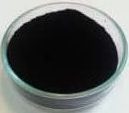
Recommended Materials for Your Research


Frequently Asked Questions
Ready to Advance Your Research?
Access high-purity nano carbon black and other advanced materials to accelerate your battery technology innovations. Partner with a trusted supplier for consistent quality and expert support.
Get a Quote Today