
The Unseen Challenge: Managing Heat in Modern Electronics
In the bustling landscape of India's technological advancement, from burgeoning data centers in Mumbai to the intricate electronics powering our space missions, a silent challenge persists: heat. As electronic components become smaller, faster, and more powerful, the heat they generate increases exponentially. Inefficient heat dissipation is no longer just a performance issue; it's a critical point of failure that can shorten device lifespan, compromise reliability, and stifle innovation. This is where the science of **thermal management** becomes paramount.
At the heart of this challenge lies the **Thermal Interface Material (TIM)**. This crucial layer, often a paste or a pad, sits between a heat-generating component (like a CPU) and a heat sink, ensuring efficient thermal transfer. For years, the industry has relied on traditional fillers like silica or alumina. However, to meet the demands of 5G, AI, and high-performance computing, researchers and engineers across India are turning to a more potent solution: **nano carbon black**.
This isn't just any **carbon black**; it's a highly engineered **nano filler** designed to create superior pathways for heat. By integrating **nano carbon** into TIMs, we can dramatically boost **thermal conductivity**, enabling faster and more effective **electronic cooling**. This blog explores the transformative potential of **nano carbon black for thermal interface materials**, its benefits for Indian researchers, its diverse applications, and the promising trends shaping the future of **heat dissipation** technology.
Why Researchers are Turning to Nano Carbon Additives
-
Exceptional Thermal Conductivity
Even at low concentrations, nano carbon black creates an intricate network within the polymer matrix, significantly enhancing the material's ability to conduct heat away from sensitive components. This leads to lower operating temperatures and improved device performance.
-
Cost-Effectiveness and Efficiency
Compared to more expensive alternatives like graphene or carbon nanotubes, nano carbon black offers a highly effective yet economical solution for boosting thermal performance. This makes it an attractive **carbon additive** for both academic research and large-scale industrial production in India.
-
Mechanical Reinforcement
Beyond thermal properties, nano carbon fillers improve the mechanical strength and durability of the **interface material**. This results in more robust and reliable TIMs that can withstand the stresses of thermal cycling and physical handling during assembly.
-
Tunable Electrical Properties
The inherent electrical conductivity of **nano carbon** can be leveraged for applications requiring EMI shielding. For standard TIMs, the filler concentration can be precisely controlled to achieve high **thermal conductivity** while maintaining electrical insulation, preventing short circuits.
Industry Applications: From Smartphones to Satellites
Consumer Electronics & Mobile Devices
In the tightly packed confines of a smartphone or laptop, effective **heat dissipation** is crucial. TIMs enhanced with nano carbon black help draw heat away from the processor and battery, preventing overheating, ensuring stable performance, and extending the device's lifespan.
Automotive & Electric Vehicles (EVs)
The power electronics, battery management systems, and LED lighting in modern vehicles generate significant heat. High-performance **thermal interface materials** are essential for the reliability of these systems, a critical factor for safety and longevity in the rapidly growing Indian EV market.
Data Centers & Telecommunications
As India's digital economy expands, so does the demand for data centers. Servers and network switches run 24/7, making efficient **electronic cooling** a top priority to reduce energy consumption (PUE) and prevent costly downtime. Nano carbon-based TIMs are key to managing thermal loads in these high-density environments.
Aerospace & Defence
In avionics, radar systems, and satellite communications, electronics must perform reliably under extreme conditions. **Thermal management** solutions using robust, high-conductivity materials ensure that critical systems function flawlessly, meeting the stringent requirements of India's defence and space programs.
The Indian Horizon: Trends and Opportunities
The push for self-reliance under the 'Make in India' initiative has catalyzed domestic electronics manufacturing. This creates a massive opportunity for Indian researchers and chemical companies to innovate in the field of advanced materials. The market for **thermal interface materials** is projected to grow significantly, driven by local demand for high-performance electronics.
A key trend is the development of next-generation TIMs that are not only highly conductive but also easy to apply and rework. Research is focused on optimizing the dispersion of **nano carbon fillers** within various polymer matrices (like silicones and epoxies) to create stable, long-lasting formulations. The goal is to develop a superior **interface material** that minimizes thermal resistance while being commercially viable. As a versatile **carbon additive**, nano carbon black is at the forefront of this R&D effort, promising to unlock new levels of performance in **electronic cooling** and support India's journey towards becoming a global electronics hub.
Frequently Asked Questions
Nano Carbon Black is a high-purity form of carbon black with particle sizes in the nanometer range. Its unique properties, including high surface area and electrical conductivity, make it an excellent additive for enhancing materials like polymers and composites used in electronic cooling.
Nano Carbon Black particles form conductive networks within a polymer matrix. These networks create pathways for heat to travel more efficiently, significantly increasing the overall thermal conductivity of the material and improving heat dissipation from electronic components.
Yes, it is. This property can be both a benefit and a challenge. While it's useful for EMI shielding applications, careful formulation is required in thermal interface materials to prevent electrical shorting between components. The concentration of the nano filler is precisely controlled to balance thermal and electrical properties.
The primary challenge is achieving uniform dispersion. Due to strong van der Waals forces, nanoparticles tend to agglomerate. Proper mixing techniques, surface treatments, and the use of dispersing agents are crucial to break down these clumps and ensure the nano filler is evenly distributed for optimal performance.
Related Carbon Products for Your Research

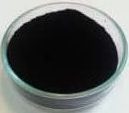

Ready to Advance Your Research?
Explore our extensive range of nano carbon products and find the perfect material for your thermal management application. Get in touch with our experts for technical specifications and bulk pricing.
View Carbon Products