
The Quest for Resilient Water Infrastructure in India
India's rapid urbanization and ambitious initiatives like the Jal Jeevan Mission and 'Har Ghar Jal' scheme have placed an unprecedented focus on building a robust and reliable water distribution network. The goal is clear: provide safe and adequate drinking water to every rural and urban household. However, the challenge lies not just in laying down new pipelines but in ensuring their longevity and performance for decades to come. Traditional materials often fall short, succumbing to environmental stressors like harsh sunlight (UV radiation), soil pressure, chemical corrosion, and fluctuating temperatures. This is where material science innovation becomes critical.
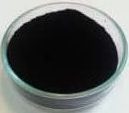
Enter nano carbon black, a revolutionary pipe additive that is setting new benchmarks for plastic pipe durability. For researchers in polymer science and professionals in the Indian utility sector, understanding the role of nano carbon black reinforcement is no longer just an academic exercise—it's a practical solution to a pressing national problem. By integrating this advanced nanomaterial into polymers like High-Density Polyethylene (HDPE), we can create plastic pipes that are not only stronger and more resilient but also more cost-effective over their lifecycle. This article delves into the science, benefits, and applications of nano carbon black powder, exploring how this tiny particle is making a massive impact on India's water distribution systems.
Core Benefits for Researchers and Industry
The adoption of nano carbon black as a reinforcement agent in plastic pipes offers a multitude of advantages that directly address the key failure points of conventional piping systems. These benefits are a compelling case for its widespread use in Indian R&D and manufacturing.
-
Unmatched UV Radiation Resistance
One of the primary causes of degradation in plastic pipes is prolonged exposure to ultraviolet (UV) radiation from the sun. Nano carbon black is an exceptional UV absorber. Its high surface area allows it to dissipate harmful UV energy as heat, preventing the polymer chains from breaking down. This significantly extends the outdoor service life of pipes, a crucial factor for above-ground installations and storage in Indian climatic conditions.
-
Superior Mechanical Strength and Durability
The "nano" effect comes into play here. The tiny particles of carbon black create a powerful reinforcing network within the polymer matrix. This carbon black reinforcement increases tensile strength, enhances resistance to slow crack growth (SCG), and improves impact resistance. The resulting pipes can withstand higher internal pressures and are less susceptible to damage from soil movement or improper handling, reducing leaks and bursts.
-
Enhanced Thermal and Chemical Stability
Nano carbon black improves the thermal stability of the plastic, allowing the pipes to maintain their structural integrity across a wider range of operating temperatures. Furthermore, it renders the material more inert, increasing its resistance to a broad spectrum of chemicals found in soil and industrial effluents, thereby preventing chemical-induced corrosion and degradation.
-
Improved Lifecycle Cost-Effectiveness
While the initial pipe additive cost might be a consideration, the long-term savings are substantial. Enhanced pipe durability means a longer service life (often exceeding 50 years), significantly lower maintenance and replacement costs, and reduced water loss from leaks. This makes nano-reinforced pipes a highly economical choice for large-scale infrastructure projects.
Key Industry Applications
Potable Water Distribution Networks
This is the primary application. Using nano carbon black powder in HDPE (IS 4984) and PVC pipes ensures the safe, long-term delivery of drinking water. The enhanced durability prevents contamination from leaks and protects water quality by providing a stable, inert pipe material. This is fundamental to the success of public health engineering projects across India.
Agricultural and Irrigation Systems
In agriculture, pipes are often exposed to harsh sunlight and agrochemicals. Carbon black reinforcement provides the necessary UV protection and chemical resistance, making these pipes ideal for drip irrigation, sprinkler systems, and water transport from wells and canals, thereby conserving water and improving crop yields.
Industrial Effluent and Chemical Transport
Industries require robust piping to safely transport chemical waste and process fluids. The superior chemical inertness imparted by nano carbon black makes these pipes suitable for carrying a wide range of corrosive materials, preventing environmental contamination and ensuring plant safety.
Gas Distribution and Utility Ducts
The same properties of high strength and resistance to slow crack growth are vital for gas distribution networks, where safety is paramount. Additionally, these durable pipes are used as protective conduits for underground fiber optic cables and electrical lines, safeguarding critical utility infrastructure.
Opportunities & Future Trends in India
The market for high-performance plastic pipe systems in India is on an upward trajectory, driven by government investment and a growing awareness of lifecycle costing. For researchers and manufacturers, this presents a significant opportunity. The focus is shifting from low-cost, short-term solutions to high-quality, durable materials. The demand for advanced utility material like nano-reinforced polymers is expected to grow exponentially.
Current research is focused on optimizing the dispersion of nano powder within the polymer matrix to achieve even greater performance enhancements at lower concentrations. There's also growing interest in multi-functional additives, where nano carbon black is combined with other nanomaterials for properties like antimicrobial surfaces, creating what could be termed nano water pipes that actively maintain water purity. As the 'Make in India' initiative gains further momentum, domestic production and innovation in the field of plastic enhancement and specialty chemicals, including carbon black, will be crucial. Professionals who stay abreast of these trends in pipe durability and material science will be at the forefront of building a sustainable water future for the nation.
Frequently Asked Questions (FAQ)
Nano carbon black is an advanced form of carbon black with particle sizes in the nanometer range. This incredibly small particle size provides a massive surface area, which, when used as a pipe additive, dramatically improves the mechanical, thermal, and UV resistance properties of polymers like polyethylene and PVC used in plastic pipes.
It improves durability in several ways: 1) It creates a stronger polymer matrix, increasing tensile strength and resistance to cracking. 2) It provides superior UV protection, preventing the polymer from degrading under sunlight. 3) It enhances thermal stability, allowing pipes to perform reliably across a wider temperature range. 4) It increases resistance to chemical corrosion from soil and water contaminants.
Yes. When high-purity nano carbon black is properly compounded into the polymer matrix, it is securely locked in place and does not leach into the water. Pipes manufactured with this additive must meet stringent national and international standards, such as IS 4984 in India and NSF/ANSI standards, ensuring they are safe for potable water distribution.
The typical loading or concentration of carbon black in pressure pipes for water distribution is between 2% and 2.5% by weight. This concentration is optimized to provide the best balance of UV protection, mechanical reinforcement, and cost-effectiveness without negatively impacting the polymer's processability.
High-quality nano materials, including various grades of nano carbon black powder, can be sourced from specialized suppliers like Hiyka. They provide materials specifically for R&D and industrial applications, ensuring purity and consistent particle size, which are critical for achieving optimal reinforcement in plastic pipes.
Related Products for Your Research


Ready to Enhance Your Materials?
Connect with us to source high-purity nano carbon black for your research or industrial needs.
Get in Touch