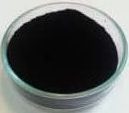
The Dawn of a New Era for Plastic Films in India
The Indian plastics industry, a cornerstone of the nation's manufacturing sector, is in the midst of a profound transformation. Driven by the "Make in India" initiative and a growing demand for high-performance materials, researchers and manufacturers are constantly seeking innovations that offer a competitive edge. One such groundbreaking innovation is the use of nano carbon black in black masterbatch for plastic film production. This isn't just an incremental improvement; it's a paradigm shift that redefines the properties and potential of plastic films across various sectors, from agriculture to advanced packaging.
For decades, conventional carbon black has been the go-to pigment for creating black masterbatches. It provides color and a degree of UV protection. However, the conventional approach has its limitations—high loading requirements can compromise the mechanical integrity of the film, and achieving advanced functionalities like high conductivity or superior UV resistance is often challenging. Enter nano carbon black. By shrinking the particle size to the nanoscale (typically below 100 nanometers), we unlock a world of enhanced properties. This nano plastic additive offers a significantly higher surface area, leading to dramatically improved performance even at very low concentrations. For the Indian researcher, this opens up new avenues of material science exploration. For the professional in the plastics industry, it translates to superior products, enhanced efficiency, and a stronger position in the global market.
The Nano Advantage: Unpacking the Benefits for Researchers & Industry
Integrating nano carbon black into masterbatch formulations is more than just a material swap. It's a strategic upgrade that delivers a host of tangible benefits. Researchers and product developers can leverage these advantages to create next-generation products that meet the evolving demands of the Indian and global markets.
- Superior UV Protection and Durability: Nano carbon black particles are exceptionally efficient at absorbing and scattering harmful UV radiation. This makes them a superior film enhancer, dramatically increasing the lifespan of agricultural films, outdoor packaging, and automotive components by preventing polymer degradation.
- Enhanced Mechanical Strength: Unlike conventional carbon black, which can act as an impurity at high loadings, nano carbon black integrates into the polymer matrix more effectively. This results in plastic films with improved tensile strength, tear resistance, and overall film durability, even in thinner gauges.
- Exceptional Color and Jetness: The high surface area of nanoparticles provides a deep, rich black color (high jetness) at much lower loading levels. This means less masterbatch is needed to achieve the desired aesthetic, leading to potential cost savings and improved processability.
- Electrical Conductivity for Specialized Applications: Specific grades of nano carbon black can create a conductive network within the plastic. This transforms an insulating material into one that can dissipate static electricity, making it ideal for the packaging of sensitive electronic components (ESD bags) and other anti-static applications.
- Improved Thermal Properties: The excellent thermal conductivity of nano carbon black helps in dissipating heat more effectively, which can be a crucial property for films used in electronics and under-the-hood automotive applications.
- Economic Viability through Lower Loading: While the upfront cost of a nano plastic additive might be higher, the required loading levels are significantly lower (e.g., 2-5% for nano vs. 15-25% for conventional). This reduction not only preserves the polymer's properties but also makes the overall process more economically competitive.
From Farm to Factory: Industry Applications in India
The versatility of nano carbon black masterbatch makes it a game-changing plastic film additive across a spectrum of Indian industries. Its ability to enhance performance opens doors to new product capabilities and market opportunities.

Agriculture: Enhancing Crop Yield
In India's vast agricultural landscape, mulch films and greenhouse covers are critical. Films enhanced with nano carbon black offer unparalleled UV resistance, extending their life under the harsh sun. This superior film durability means less frequent replacement, reduced plastic waste, and better crop protection, ultimately contributing to food security.

High-Performance Packaging
For packaging light-sensitive goods, a deep black film is essential. For electronics, anti-static properties are non-negotiable. Carbon black film made with nano additives excels at both. It provides an opaque barrier against light and, with conductive grades, creates anti-static bags that protect sensitive microchips and components—a vital need for India's booming electronics manufacturing sector.

Automotive & Industrial Liners
Geomembranes used for lining ponds, canals, and landfills require extreme durability and chemical resistance. Using a masterbatch enhancer like nano carbon black fortifies these liners against environmental stress and chemical leeching. In the automotive sector, it's used in components that require both a class-A finish and long-term stability.

Consumer Electronics & Goods
The sleek, black finish of many consumer electronics, from smartphones to televisions, relies on high-quality black pigments. Nano carbon black for black masterbatch provides a superior, long-lasting finish that resists fading and scratches, enhancing the perceived value and lifespan of the products. It's a key ingredient in achieving premium aesthetics.
Riding the Wave: India-Specific Trends and Opportunities
The adoption of nano film additive technology is perfectly aligned with several key economic and industrial trends in India. For researchers and businesses, understanding these trends is crucial for capitalizing on the opportunities they present.
The Push for Sustainable and Circular Economy
India is increasingly focused on sustainability. The ability of nano carbon black to enhance film durability means products last longer, reducing the overall volume of plastic waste. Furthermore, research is underway to incorporate nano carbon black derived from recycled sources (rCB), aligning perfectly with circular economy principles. Using a more efficient plastic additive means less material consumption and a smaller carbon footprint per unit, a significant selling point in a green-conscious market.
"Make in India" and High-Value Manufacturing
The "Make in India" initiative encourages domestic manufacturing of high-value goods. By enabling the production of advanced materials like conductive films and high-durability geomembranes, nano carbon black empowers Indian companies to compete on a global stage. It allows them to move up the value chain from producing commodity plastics to engineering high-performance materials for specialized sectors like aerospace, defense, and electronics.
The Rise of Smart Textiles and Wearables
An emerging area of R&D is the integration of conductive materials into fabrics. Conductive nano carbon black can be used to create polymer fibers and films for smart textiles that can incorporate sensors, heating elements, or EMI shielding. This is a frontier where Indian researchers can make significant contributions, developing innovative products for healthcare, fitness, and defense.
Frequently Asked Questions (FAQ)
Here are some common questions that researchers and industry professionals have about using nano carbon black for black masterbatch in plastic film production.
The primary advantage is superior dispersion and a much higher surface area-to-volume ratio. This allows for achieving desired properties like deep blackness, UV protection, and conductivity at significantly lower loading levels (1-5% wt.) compared to conventional carbon black (15-25% wt.). This leads to better mechanical properties of the final plastic film and potential cost savings.
The safety of nano carbon black for food packaging depends on its specific grade and regulatory approval. In India, materials intended for food contact must comply with standards set by the Food Safety and Standards Authority of India (FSSAI). Researchers and manufacturers must use grades of nano carbon black that are certified as food-safe and ensure that migration levels are well within the permissible limits.
Nano carbon black acts as a powerful UV stabilizer, absorbing harmful ultraviolet radiation that would otherwise degrade the polymer structure of the film. This prevents the film from becoming brittle and cracking prematurely, significantly extending its lifespan in harsh outdoor conditions and protecting crops more effectively.
The two main challenges are achieving uniform dispersion and managing costs. Due to their high surface energy, nanoparticles tend to agglomerate (clump together). This requires specialized compounding equipment and processing techniques. While the cost per kilogram of nano carbon black might be higher, the lower loading levels required often make it economically viable in the long run.
Yes. By incorporating specific conductive grades of nano carbon black, it's possible to create a percolating network within the polymer matrix. This imparts electrical conductivity to the plastic film, making it suitable for applications like anti-static packaging for electronics and electrostatic dissipative (ESD) films.
Conclusion: The Future is Nano, The Future is Now
The integration of nano carbon black into black masterbatch is a testament to the power of nanotechnology in revolutionizing traditional industries. For Indian researchers, it presents a fertile ground for R&D, pushing the boundaries of material science. For manufacturers, it offers a clear path to producing superior, high-performance plastic films that are more durable, functional, and economically viable. As India continues its journey towards becoming a global manufacturing hub, embracing such advanced materials will be key to innovation, sustainability, and success. The era of the humble plastic film is over; the era of the high-performance, nano-enhanced film has just begun.