The Unseen Revolution: Conductive Interiors
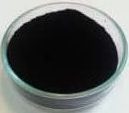
The automotive industry is in the midst of a paradigm shift. Beyond the roar of engines and the sleekness of exterior designs, a quiet but profound transformation is happening inside the cabin. Modern vehicles are no longer just a means of transport; they are becoming sophisticated, connected environments. This evolution places immense demands on interior components, which must be more than just visually appealing—they need to be smart, durable, and functional. At the heart of this revolution lies an unassuming yet powerful material: nano carbon black.
For researchers and professionals in India's burgeoning automotive and materials science sectors, understanding the potential of nano carbon black is not just an academic exercise—it's a gateway to innovation. As vehicles become increasingly electrified and autonomous, the need for materials that can manage static electricity, provide seamless conductivity for touch interfaces, and enhance durability has never been greater. Nano carbon black for conductive coatings in automotive interiors is the key that unlocks these capabilities, offering a unique combination of performance, cost-effectiveness, and versatility.
This blog delves into the world of carbon black coating technology, exploring how this nano-additive is redefining automotive conductivity and durability. We will examine the specific benefits for researchers, uncover its diverse applications, and analyze the market trends shaping its adoption in India. Whether you are developing next-generation polymers, formulating advanced coatings, or designing the car interiors of the future, this guide will provide the insights you need to harness the power of nano carbon black.
Why Researchers and Manufacturers are Turning to Nano Carbon Black
This advanced material offers a compelling suite of advantages that address key challenges in modern vehicle design.
-
Superior Electrical Conductivity
At nanoscale, carbon black forms an exceptional conductive network within a coating or polymer matrix, even at low concentrations. This is crucial for creating anti-static surfaces that protect sensitive electronics from electrostatic discharge (ESD) and for enabling reliable touch-sensitive controls on various interior surfaces.
-
Enhanced Mechanical Durability
The high surface area and unique structure of nano carbon black act as a reinforcing agent. This significantly improves the interior durability of coatings, enhancing resistance to scratches, abrasion, and daily wear and tear, thereby preserving the premium feel of the cabin for longer.
-
Deep, Lasting Jet-Black Color
Beyond its functional properties, nano carbon black is a superior pigment. It provides a deep, rich black color with excellent UV resistance, preventing fading and degradation from sunlight exposure—a critical factor for automotive interiors in a sun-rich country like India.
-
Cost-Effective Performance
Compared to other conductive additives like carbon nanotubes or graphene, nano carbon black offers a highly attractive balance of performance and cost. It allows manufacturers to achieve desired levels of automotive conductivity and durability without significantly increasing material costs, making it a viable nano automotive additive for mass-market vehicles.
From Theory to the Driver's Seat: Real-World Applications
Conductive Coatings for Plastics
Interior components like dashboards, center consoles, and door panels are predominantly made of plastic. Applying a carbon black coating to these parts prevents the buildup of static charge, protecting the vehicle's myriad electronic control units (ECUs) and improving passenger comfort. This is a prime example of a conductive interior solution.
Smart Surfaces & Touch Controls
The trend towards minimalist interiors with fewer physical buttons relies on touch-sensitive surfaces. Nano carbon black is a critical interior additive in the coatings for these surfaces, providing the necessary conductivity for capacitive touch sensing to function reliably and seamlessly on materials from plastic to wood veneer.
Anti-Static Flooring and Upholstery
Carpets and seat fabrics can generate significant static electricity. Incorporating nano carbon black into the fibers or back-coatings of these materials dissipates static charge effectively, enhancing safety and preventing unpleasant shocks when entering or exiting the vehicle.
Interior Heating Elements
The conductive properties of nano carbon black can be leveraged to create thin, flexible heating elements within door panels, armrests, or steering wheels. This offers a more efficient and uniform heating solution compared to traditional forced-air systems, a feature gaining traction in the premium and EV segments.
The Indian Context: A Fertile Ground for Conductive Material Innovation
The Indian automotive industry is at a crossroads, with government initiatives like "Make in India" and a strong push towards electric mobility creating unprecedented opportunities for advanced material research and development. The demand for sophisticated automotive coating solutions is skyrocketing, and nano carbon black is perfectly positioned to meet this need.
As Indian consumers demand more features, safety, and a premium in-cabin experience, the role of a functional conductive interior becomes paramount. The proliferation of large touchscreens, advanced driver-assistance systems (ADAS), and connected car technology means that managing electromagnetic interference (EMI) and electrostatic discharge (ESD) is no longer a luxury, but a necessity. Nano carbon black, as a versatile interior additive, provides an effective and economical solution for Indian manufacturers to "level up" their offerings.
Furthermore, the rise of home-grown EV startups and the entry of global EV giants into the Indian market are accelerating the adoption of lightweight, durable, and multifunctional materials. The efficiency of an EV is tied not just to its battery, but also to the energy consumption of its auxiliary systems. Conductive coatings based on nano carbon black can enable energy-efficient heating systems and reduce the weight of traditional wiring and shielding, contributing to overall vehicle efficiency. For Indian researchers, this opens up a vast field of study in optimizing carbon black coating formulations for the unique climatic and market conditions of the subcontinent, solidifying India's position in the global automotive supply chain.
Frequently Asked Questions
Nano carbon black is a high-purity form of carbon black with particle sizes in the nanometer range. Its unique properties, including high surface area and electrical conductivity, make it an ideal additive for advanced materials like conductive coatings used in automotive interiors.
Conductivity in automotive interiors is crucial for several reasons: it prevents electrostatic discharge (ESD) that can damage sensitive electronics, enables the integration of touch-sensitive surfaces and controls, and can be used for innovative heating solutions. It also contributes to the overall durability and safety of the vehicle's interior components.
The nanostructure of carbon black creates a reinforcing network within the coating matrix. This enhances mechanical properties such as scratch resistance, abrasion resistance, and flexibility, leading to a longer lifespan for interior components and maintaining a premium look and feel.
Yes, when properly formulated and integrated into a polymer or coating matrix, nano carbon black is safely encapsulated. It does not pose a risk to passengers. Manufacturers adhere to strict safety standards and regulations for all materials used within a vehicle's cabin.
Ready to Innovate?
Advance your research and product development with high-purity nano carbon black. Explore our range of materials to find the perfect solution for your automotive coating and polymer applications.
Explore Carbon Black Products