The Dawn of a New Era in Automotive Aesthetics
The Indian automotive market is not just growing; it's maturing. Today's consumers, from tech-savvy millennials to discerning professionals, demand more than just performance and fuel efficiency. They seek a holistic experience, where the vehicle's interior—its look, feel, and longevity—plays a crucial role. This paradigm shift has put immense pressure on manufacturers to deliver interiors that are not only visually stunning but also incredibly durable. This is where the science of materials, specifically nano carbon black masterbatch, comes into play.
For decades, black masterbatch has been the go-to solution for coloring plastic components in cars. However, conventional grades often fall short of meeting the increasingly stringent quality standards for modern automotive interiors. Issues like inconsistent color, poor UV resistance leading to fading, and the degradation of mechanical properties are common challenges. In response, Indian researchers and automotive R&D departments are turning to a more advanced solution: nano carbon black masterbatch. This innovative coloration additive leverages nanotechnology to deliver a level of performance that was previously unattainable, promising deeper blacks, superior protection, and enhanced material integrity.
Why Nano Carbon Black is a Game-Changer for Researchers & Manufacturers
The adoption of nano carbon black is driven by a host of tangible benefits that address the core challenges faced in polymer science and industrial manufacturing. For Indian researchers, it opens up new avenues for creating high-performance materials tailored for local conditions.
- Unmatched Jetness and Color Depth: The incredibly small particle size of nano carbon black (typically <100 nm) provides a vast surface area, resulting in exceptional dispersion. This translates to a deeper, richer, and more uniform black color (high jetness) that enhances the premium feel of automotive interiors.
- Superior UV Protection: Automotive components are constantly exposed to harsh sunlight, especially in India's tropical climate. Nano carbon black particles are highly effective at absorbing and scattering UV radiation, acting as a powerful light stabilizer. This prevents the polymer matrix from degrading, thus avoiding brittleness and color fading over the vehicle's lifespan.
- Enhanced Mechanical Properties: Unlike conventional fillers that can sometimes compromise a material's strength, nano masterbatch can act as a reinforcing agent. Its excellent dispersion and interaction with the polymer can lead to improvements in tensile strength, impact resistance, and dimensional stability of the final plastic part.
- Improved Processing and Cost-Efficiency: Due to its high color strength, a lower loading percentage (let-down ratio) of nano carbon black masterbatch is required to achieve the desired color compared to conventional products. This can lead to cost savings, improved melt flow during injection molding, and a better surface finish on the final component.
- Electrical Conductivity for Smart Interiors: Specific grades of nano carbon black can impart electrical conductivity to plastics. This is a critical property for developing modern automotive components like electrostatic painting-ready parts, EMI/RFI shielding, and housings for sensitive electronic sensors, paving the way for "smart" interiors.
Key Applications: Where Nano Masterbatch Makes a Difference
The versatility of nano carbon black masterbatch makes it an indispensable coloration additive across a wide range of components within a vehicle. Its impact is visible in almost every plastic part that defines the cabin's aesthetic and functional quality.
Dashboards & Instrument Panels
These are large, highly visible components that demand a flawless, non-reflective, and uniform black finish. Nano masterbatch ensures a deep, consistent color and prevents long-term fading and cracking due to heat and UV exposure.
Door Panels & Trim
Areas that experience frequent contact and wear require robust materials. The reinforcing effect of nano automotive additives helps improve scratch and scuff resistance, keeping these high-traffic areas looking new for longer.
Center Consoles & Shifters
Achieving a premium, high-gloss or matte finish on complex geometries is a challenge. The excellent dispersion of nano carbon black ensures a smooth, defect-free surface, contributing significantly to the perceived quality of the interior aesthetics.
Plastic Housings & Vents
For smaller, intricate parts like air vents, speaker grilles, and electronic module housings, masterbatch enhancement with nano-additives ensures precise molding, color consistency, and, where needed, static dissipation properties.
The Indian Context: Opportunities and Future Trends
The push for 'Make in India' and the increasing localization of automotive manufacturing present a massive opportunity for advanced material science. Indian manufacturers are no longer just assembling cars; they are deeply involved in R&D and component design. The use of nano carbon black masterbatch for black coloration in automotive interiors is a prime example of this trend.
As Indian consumers increasingly prefer vehicles with premium, dark-themed interiors, the demand for a perfect, lasting carbon black color is at an all-time high. Furthermore, the rise of electric vehicles (EVs) introduces new material requirements. The lightweighting of components to extend battery range, coupled with the need for EMI shielding for sensitive electronics, makes conductive grades of nano carbon black an essential automotive material. Researchers and companies that invest in understanding and implementing this technology will be at the forefront of India's automotive revolution, delivering products that are not only made in India but are also globally competitive in quality and innovation.
Related Products

Conductive Carbon Black
View Product →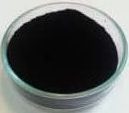
Carbon Black nanopowder (50g)
View Product →
Carbon Mesoporous Materials
View Product →