
The Dawn of a Flexible Future: Conductive Inks in India
The world of electronics is undergoing a paradigm shift. Rigid circuit boards are making way for flexible, stretchable, and even wearable technologies. At the heart of this revolution lies a critical component: conductive ink. For Indian researchers and industries, particularly those aligned with initiatives like 'Make in India' and the burgeoning consumer electronics market, understanding the nuances of these advanced materials is not just beneficial—it's essential. This is where nano carbon black emerges as a game-changer.
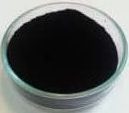
Traditionally, materials like silver have dominated the conductive ink market. However, their high cost and market volatility have created a demand for viable alternatives. Enter nano carbon black dispersion, a highly efficient and cost-effective solution. By dispersing carbon black particles at a nanoscale, we can create inks with remarkable electrical conductivity, flexibility, and durability. This article delves into the science, benefits, and applications of using nano ink formulated with carbon black, providing a comprehensive guide for professionals navigating the exciting field of flexible electronics.
Why Researchers are Turning to Nano Carbon Black
Enhanced Electrical Performance
The high aspect ratio of nano carbon black particles allows for the formation of dense, interconnected conductive networks even at low concentrations. This results in superior flexible conductivity and reliable performance when the material is bent or stretched.
Superior Mechanical Flexibility
Unlike brittle metallic inks, carbon-based inks offer excellent adhesion and flexibility. They can withstand repeated physical stress, making them ideal for wearable sensors, flexible displays, and other demanding applications in flexible electronics.
Cost-Effectiveness and Scalability
Nano carbon black is significantly more affordable than silver or other precious metals. This cost advantage makes it a highly attractive ink additive for mass production and commercialization, aligning perfectly with India's goal of becoming a global manufacturing hub.
Formulation Versatility
A stable carbon black dispersion allows for easy integration into various binder systems and solvents. This gives researchers the freedom to fine-tune the ink's properties—such as viscosity, drying time, and substrate compatibility—for specific printing techniques like screen, inkjet, or gravure printing.
From Lab to Life: Applications in Indian Industries
Wearable Health Sensors
Printing conductive circuits onto textiles or flexible polymers to create smart fabrics that monitor heart rate, body temperature, and other vital signs.
Flexible Displays & Lighting
Creating electrodes for foldable OLED screens and flexible lighting panels, enabling innovative designs in consumer electronics and automotive interiors.
Smart Packaging
Integrating printed sensors and RFID antennas into packaging to monitor freshness, prevent tampering, and enhance supply chain logistics.
Printed Heaters & Antennas
Developing low-voltage flexible heating elements for clothing or automotive seats, and printing compact, efficient antennas for IoT devices.
The Indian Advantage: Trends and Opportunities
The market for flexible electronics in India is poised for explosive growth. The convergence of a booming mobile phone market, a government push for domestic manufacturing, and a strong R&D ecosystem creates a fertile ground for innovations in electronics material science. The use of nano carbon black dispersion for conductive inks is a key trend, enabling local companies to develop high-performance products without relying on expensive imported materials. This ink enhancement technology is crucial for developing everything from low-cost solar cells to advanced biomedical devices.
Furthermore, Indian research institutions are actively contributing to the field of nano flexible materials. Collaborations between academia and industry are accelerating the transition of materials like nano ink from the laboratory to commercial products. As the demand for smarter, more integrated devices grows, the need for advanced materials like conductive ink will only increase, solidifying the importance of carbon black dispersion in India's technological future.
Frequently Asked Questions
Related Products


Ready to Innovate?
Take the next step in your research or product development. Explore our range of high-performance nano carbon black products or contact our experts for a consultation.
Get in Touch