
Pioneering a New Era of Strength: Nano Carbon Black in Construction
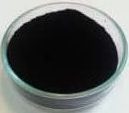
The Indian construction sector, a cornerstone of the nation's economy, is on a perpetual quest for innovation. As we build taller skyscrapers, longer bridges, and more resilient infrastructure, the demand for advanced materials has never been higher. Enter nano carbon black, a revolutionary construction nanomaterial poised to redefine the very essence of structural integrity. This isn't just another additive; it's a fundamental concrete strengthener that operates at the nanoscale to deliver macro-level results.
For researchers and professionals in India's R&D and construction industries, understanding the potential of nano carbon black for cement reinforcement is crucial. At its core, this material consists of incredibly fine carbon particles. When introduced into a cement mixture, these nanoparticles act as a high-performance filler, densifying the microstructure of the concrete. The result is a dramatic enhancement in mechanical properties, from compressive strength to tensile resilience. This technology moves beyond traditional reinforcement methods, offering a more integrated and effective solution to building durable, long-lasting structures. As a leading nano cement additive, it addresses the critical need for materials that can withstand India's diverse climatic conditions and growing urban demands.
Key Benefits for Researchers and Industry Leaders
Unmatched Strength Enhancement
As a potent concrete strengthener, it significantly increases compressive and flexural strength, allowing for the design of more slender yet stronger structural elements.
Superior Durability
The use of this cement additive reduces porosity and water absorption, leading to enhanced resistance against chemical attacks, freeze-thaw cycles, and chloride ion penetration, thus boosting cement durability.
Improved Workability & Rheology
At optimal dosages, nano carbon black can improve the flow characteristics of fresh concrete, aiding in better placement and compaction without segregation.
Crack Propagation Resistance
The nanoparticles bridge micro-cracks as they form, arresting their growth and significantly improving the material's fracture toughness and fatigue life.
Potential for Smart Concrete
The conductive nature of carbon black cement opens research opportunities for self-sensing concrete, capable of monitoring its own stress, strain, and structural health.
Sustainability Edge
By creating stronger concrete, it's possible to reduce the overall volume of cement needed in a project, thereby lowering the carbon footprint associated with cement production—a key goal for sustainable nano construction.
Industry Applications: Building India's Future

High-Performance Concrete (HPC)
The primary application is in creating HPC for critical infrastructure like high-rise buildings, long-span bridges, and nuclear power plants. Using nano carbon black for cement reinforcement ensures structures can withstand extreme loads and environmental conditions, making it an indispensable construction enhancer.

Precast Concrete Industry
In the precast sector, this nano cement additive accelerates curing times and achieves high early strength. This boosts productivity, allows for faster demolding, and results in superior quality precast elements with sharper finishes and improved durability—a vital building material innovation.

Durable Pavements and Runways
For transportation infrastructure, concrete enhanced with nano carbon black offers higher resistance to wear, rutting, and fatigue. This is crucial for constructing long-lasting airport runways, highways, and industrial flooring that see heavy traffic.

Marine and Coastal Structures
The dense, impermeable matrix of carbon black cement provides exceptional protection against saltwater and chemical corrosion, making it ideal for constructing ports, jetties, and coastal defense systems in India's extensive coastline.
India-Specific Trends and Research Opportunities
The convergence of government initiatives like 'Make in India' and the 'Smart Cities Mission' with the need for sustainable infrastructure creates a fertile ground for construction nanomaterial research. Indian R&D labs and universities are increasingly focusing on optimizing the use of materials like nano carbon black. The key research trend is developing cost-effective and scalable dispersion methods. Achieving a homogenous mix is paramount to unlocking the full potential of this concrete strengthener. Researchers are exploring sonication, high-shear mixing, and the use of polycarboxylate-based superplasticizers to prevent nanoparticle agglomeration.
Furthermore, there is a significant opportunity in standardizing the use of nano cement additives. The development of new IS codes (Indian Standards) for nano-modified concrete would provide a massive boost to industry adoption, giving engineers and architects the confidence to specify these advanced materials in their projects. The focus on green building certifications also propels the demand for materials that enhance cement durability, thereby extending the life cycle of buildings and reducing the long-term environmental impact. The field of nano construction is not just a niche; it's becoming a mainstream pathway to creating resilient and intelligent infrastructure for India's future.
Frequently Asked Questions
What is nano carbon black?
Nano carbon black is an engineered nanomaterial consisting of pure carbon particles with a size typically less than 100 nanometers. Its unique properties, including high surface area and strength, make it an excellent additive for various industrial applications, particularly as a cement reinforcement agent in construction.
How does nano carbon black strengthen concrete?
When used as a nano cement additive, it fills the nanopores within the cement matrix, creating a denser, less porous structure. This process, known as the 'nano-filler effect,' significantly enhances the compressive and flexural strength of the concrete, leading to improved durability and resistance to environmental stressors.
Is using nano carbon black in cement cost-effective for Indian projects?
While the initial cost of nano carbon black might be higher than traditional additives, its long-term benefits often lead to significant cost savings. The enhanced durability and strength mean less maintenance, longer lifespans for structures, and potentially reduced quantities of cement required to achieve desired performance metrics, making it a viable construction enhancer for large-scale Indian projects.
What are the main challenges of using this nano construction material?
The primary challenge lies in achieving uniform dispersion of the nanoparticles within the cement mixture. Agglomeration, or clumping of particles, can lead to weak spots. Indian researchers are actively working on developing effective dispersion techniques and standardized protocols to overcome this hurdle and ensure consistent performance.
Related Products for Your Research


Have Questions or a Specific Requirement?
Our team of material science experts is ready to assist you. Whether you need technical data, bulk pricing, or custom specifications for your research, we're here to help you innovate. Reach out to us through the form below.