
The Dawn of a New Era in Solar Energy: The Role of Nano Carbon Black
India stands at the cusp of a renewable energy revolution, with solar power at its heart. As the nation ambitiously expands its solar capacity, the scientific and industrial communities are in a relentless pursuit of technologies that can enhance efficiency and reduce costs. At the forefront of this innovation is the field of nanotechnology, and specifically, the use of nano carbon black. This remarkable nano material is proving to be a game-changer for photovoltaic cell technology, promising significant leaps in solar efficiency.
For researchers and professionals in India's burgeoning R&D sector, understanding the impact of additives like nano carbon black is not just an academic exercise—it's a critical step towards developing next-generation solar solutions. The core challenge in solar technology has always been maximizing light absorption and converting it into electrical energy with minimal loss. Nano carbon black, with its unique structural and optical properties, directly addresses this challenge. As a potent photovoltaic additive, it acts like a sponge for sunlight, ensuring that more photons are captured and converted, thereby boosting the overall energy conversion rate of solar cells.
This article delves into the science, benefits, and applications of nano carbon black in photovoltaics, offering a comprehensive overview for the Indian scientific community. We will explore how this material works, the tangible benefits it offers to researchers, its practical applications in the industry, and the promising trends shaping its future in India's solar landscape.
Key Benefits for Researchers & Innovators
Incorporating nano carbon black into photovoltaic research and development offers a multitude of advantages. For scientists dedicated to pushing the boundaries of solar technology, this material provides a powerful tool to overcome existing limitations. Here are the primary benefits:
- Enhanced Light Absorption: The fundamental principle of a solar cell is capturing light. Nano carbon black's intense black color and high surface-area-to-volume ratio make it an exceptionally effective carbon pigment. When integrated into the active layers of a solar cell, it drastically reduces surface reflection and increases the absorption of a broader spectrum of light, leading to a direct increase in potential energy output.
- Improved Charge Carrier Transport: Beyond just absorbing light, efficiency depends on how well the generated charge carriers (electrons and holes) are transported to the electrodes. The conductive nature of certain grades of nano carbon black can create efficient pathways, reducing internal resistance and improving the overall quantum efficiency of the photovoltaic cell.
- Increased Stability and Durability: Nano carbon black can enhance the mechanical and thermal stability of the polymer composites used in flexible and organic solar cells. This leads to more durable and longer-lasting devices that can withstand harsh environmental conditions—a crucial factor for deployment across India's diverse climates.
- Cost-Effectiveness and Scalability: Compared to other sophisticated nanomaterials like graphene or carbon nanotubes, nano carbon black is relatively economical to produce. Its manufacturing processes are well-established, allowing for scalability from lab-scale experiments to industrial production, making it a viable option for commercial photovoltaic enhancement.
- Versatility in Application: Nano carbon black is not limited to a single type of solar cell. It can be explored as an additive in various photovoltaic technologies, including silicon-based cells, perovskite solar cells, and dye-sensitized solar cells (DSSCs), offering a wide playground for innovation.
Industry Applications: From Lab to Light
Enhancing Conventional Silicon Solar Panels
Even in traditional silicon-based solar panels, nano carbon black finds a role. It can be used in anti-reflective coatings and in the conductive backsheets, improving overall solar efficiency by a few crucial percentage points. This optimization is vital for large-scale solar farms where even minor gains translate into significant increases in power generation.
Next-Generation Flexible Solar Cells
In the realm of organic photovoltaics (OPVs) and flexible solar cells, nano carbon black is a key ingredient. It acts as a filler in the active polymer layer, simultaneously boosting light absorption and improving the material's mechanical flexibility and conductivity. This opens doors for applications in wearable technology, portable chargers, and building-integrated photovoltaics (BIPV).
Perovskite Solar Cell Stabilization
Perovskite solar cells are known for their high efficiency but often suffer from stability issues. Research is actively exploring how adding nano carbon black can create a more stable device structure, protecting the sensitive perovskite layer from moisture and degradation, thereby extending the operational lifetime and commercial viability of this promising solar technology.
Conductive Inks and Pastes
The conductive properties of nano carbon black for photovoltaic cell efficiency are leveraged in creating screen-printable conductive inks and pastes. These are used to print the electrodes on solar cells, offering a low-cost and high-throughput alternative to expensive silver pastes, directly contributing to reducing the overall cost per watt of solar energy.
Opportunities and Trends in the Indian Context
The push for 'Aatmanirbhar Bharat' (Self-reliant India) and the 'Make in India' initiative create a fertile ground for domestic R&D and manufacturing of high-performance solar components. The Indian government's ambitious target of achieving 500 GW of renewable energy capacity by 2030 is a clear indicator of the massive market opportunity. For materials scientists and chemical engineers, this translates into a high demand for innovative materials that can deliver better solar efficiency.
The use of nano carbon black for photovoltaic enhancement aligns perfectly with these national goals. Developing indigenous expertise in synthesizing and applying this photovoltaic additive can reduce reliance on imported materials and create a competitive edge for Indian manufacturers in the global market. Furthermore, as the focus shifts towards customized and application-specific solar solutions (e.g., for agriculture, transportation, and rural electrification), the versatility of nano material like carbon black becomes even more valuable.
We are witnessing a trend where research institutions and private players are collaborating to bridge the gap between laboratory breakthroughs and commercial production. The development of cost-effective, high-efficiency solar cells using advanced materials like nano carbon is central to this trend. This synergy is crucial for making solar energy not only environmentally sustainable but also economically accessible to all strata of Indian society.
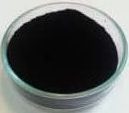
Related Products for Your Research


Frequently Asked Questions
Nano carbon black is a form of carbon black with particles engineered at the nanometer scale (typically below 100 nm). Its incredibly small particle size and high surface area give it unique properties, such as superior conductivity and light absorption, making it a valuable photovoltaic additive.
Nano carbon black enhances solar cell efficiency primarily by improving light absorption. When incorporated into the active layer of a photovoltaic cell, its high surface area and dark pigment capture more photons, reducing light reflection and increasing the amount of light converted into electricity. This leads to higher overall energy conversion.
When handled correctly in industrial and research settings using appropriate safety protocols, nano carbon black is considered safe. Its use in solar technology contributes positively to the environment by boosting the efficiency of renewable energy sources, thereby reducing reliance on fossil fuels.
The future is incredibly bright. With government initiatives like 'Make in India' and a strong focus on renewable energy, the demand for advanced materials like nano carbon black is set to grow. Indian researchers are at the forefront of developing next-generation solar technology, and nanomaterials are key to achieving breakthroughs in solar efficiency and cost-effectiveness.
Ready to Advance Your Solar Research?
Access high-purity nano carbon black and other advanced materials to power your next innovation. Connect with us to get the right products for your R&D needs.
Contact Us