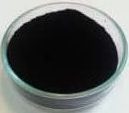
Powering India's Solar Dream: The Role of Nano Carbon Black
India stands at the forefront of a global renewable energy revolution. With the government's ambitious National Solar Mission targeting 500 GW of renewable energy capacity by 2030, the demand for high-efficiency, cost-effective solar technology has never been greater. For researchers and industries across the nation, the challenge is clear: how do we innovate to meet this demand? The answer may lie in the world of the incredibly small, specifically with an advanced energy material known as nano carbon black.
Traditionally, the efficiency of photovoltaic (PV) cells has been a limiting factor in widespread solar adoption. While silicon-based solar cells dominate the market, they are approaching their theoretical efficiency limits. This is where nanomaterials, particularly nano carbon black, emerge as a game-changing photovoltaic additive. By integrating these nanoparticles into the architecture of solar cells, we can fundamentally enhance their ability to capture and convert sunlight into electricity. This isn't just a minor improvement; it's a significant leap forward in photovoltaic efficiency, promising to make solar energy more viable, affordable, and accessible for millions of Indians.
This article delves into the science, applications, and immense potential of nano carbon black as a premier solar cell enhancer. We will explore how this versatile material is poised to support India's R&D landscape, empower domestic manufacturing under the "Make in India" initiative, and accelerate the country's journey towards a sustainable, energy-independent future.
Key Benefits for Researchers & Innovators
For the Indian scientific community, working with nano carbon black opens up a new frontier of research. Its unique properties offer a multitude of advantages for developing next-generation solar technologies:
- Enhanced Light Absorption: The high surface area and deep black color of nano carbon black allow it to trap a broader spectrum of light. This reduces reflection and increases the number of photons absorbed by the PV cell, directly boosting its energy-generating capacity.
- Improved Electrical Conductivity: As an excellent conductor, nano carbon black creates efficient pathways for electrons to travel within the solar cell. This minimizes energy loss due to electron-hole recombination, a major factor that limits photovoltaic efficiency in standard cells.
- Increased Durability and Stability: Nano carbon black enhances the thermal and UV stability of the polymer layers in flexible and organic solar cells. This protects the device from degradation, extending its operational lifespan and making it more resilient in India's diverse and often harsh climatic conditions.
- Cost-Effectiveness and Scalability: Compared to other conductive nanomaterials like silver nanowires or graphene, nano carbon black is significantly more affordable to produce at scale. This economic advantage is crucial for making high-efficiency solar technology commercially viable for the Indian market.
Industrial Applications: Beyond the Lab
The impact of nano carbon black extends far beyond academic research. Its application as a solar cell enhancer is creating new opportunities across various types of photovoltaic technologies being developed and manufactured in India.
Perovskite Solar Cells (PSCs)
Perovskites are a rising star in the PV world, known for their high efficiency and low production cost. However, they suffer from instability issues. Nano carbon black can be used to create a stable, conductive hole transport layer (HTL) in PSCs, replacing expensive organic materials. This not only boosts efficiency but also dramatically improves the cell's longevity, making commercialization a more realistic goal.
Dye-Sensitized Solar Cells (DSSCs)
In DSSCs, nano carbon black can be used in the counter electrode as a catalyst for the redox reaction, replacing costly platinum. Its high surface area and catalytic activity make it an ideal, low-cost energy material, which is a critical factor for the adoption of DSSCs in applications like smart windows and portable electronics.
Organic Photovoltaics (OPVs)
OPVs are lightweight, flexible, and transparent, making them suitable for a range of niche applications. Nano carbon black is used as an additive in the active layer to enhance charge separation and transport. This improves the overall power conversion efficiency (PCE) and mechanical robustness of these flexible solar cells, opening doors for their use in wearables and building-integrated photovoltaics (BIPV).
Silicon Heterojunction (SHJ) Solar Cells
Even in traditional silicon-based cells, there is room for innovation. Nano carbon black can be incorporated into conductive adhesives and backsheets used in SHJ cell modules. This improves electrical conductivity between cells, reduces resistive losses, and enhances the module's overall durability and power output, making it a valuable nano solar additive.
India-Specific Opportunities and Future Trends
The convergence of advanced materials science and national policy creates a fertile ground for nano carbon black for photovoltaic cell applications in India. The "Make in India" initiative strongly encourages domestic production of high-tech components, including solar cells. By leveraging nano carbon black, Indian manufacturers can reduce their reliance on imported materials, lower production costs, and gain a competitive edge in the global market.
Furthermore, research institutions like the National Institute of Solar Energy (NISE) and various IITs are actively working on next-generation PV technologies. Collaborations between these institutions and material suppliers can accelerate the development and validation of carbon black solar solutions. The focus is shifting from merely assembling solar panels to creating intellectual property and pioneering new, more efficient designs. Using a readily available and cost-effective solar energy additive like nano carbon black is central to this strategy.
The future trend points towards hybrid solar cells that combine the stability of silicon with the high performance of materials like perovskites. In these complex architectures, nano carbon black will play a crucial role as an interfacial layer, a conductive additive, and a stabilizing agent. As India pushes for solar installations in diverse terrains, from remote villages to large-scale solar parks, the need for robust, efficient, and long-lasting solar panels will only grow, solidifying the market for advanced energy materials.
Frequently Asked Questions
Nano carbon black is a high-purity form of carbon black with particle sizes in the nanometer range. Its unique properties, such as high surface area, excellent electrical conductivity, and superior light absorption, make it a highly effective photovoltaic additive for enhancing solar cell performance.
Nano carbon black improves photovoltaic efficiency in several ways: 1) It enhances light absorption, capturing more photons. 2) It improves charge transport by creating conductive pathways, reducing recombination losses. 3) It increases the stability and durability of the solar cell materials against environmental factors like UV radiation and moisture.
When produced through modern, controlled processes, nano carbon black has a significantly lower environmental footprint compared to traditional carbon materials. Its role in boosting solar energy efficiency contributes positively to the clean energy sector, making it a sustainable choice for green technology.
Given India's ambitious solar energy targets under the National Solar Mission, the potential is immense. Using nano carbon black as a solar cell enhancer can help domestic manufacturers produce more efficient and cost-effective solar panels, boosting the "Make in India" initiative and accelerating the country's transition to renewable energy.