The Unseen Battle: Why EMI Shielding is Mission-Critical in Indian R&D
In today's digitally saturated world, an invisible war is constantly being waged. It's not a war of nations, but of frequencies. Every electronic device, from the smartphone in your pocket to the sophisticated control systems in a fighter jet, emits electromagnetic signals. When these signals cross, they can cause chaos—a phenomenon known as Electromagnetic Interference (EMI). This interference can lead to distorted audio, corrupted data, and even complete system failure. For a nation like India, with its booming electronics manufacturing sector and ambitious goals in telecommunications, defense, and space exploration, mastering EMI is not just an option; it's a strategic imperative.
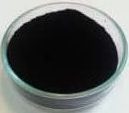
This is where EMI shielding comes into play. It's the art and science of creating barriers to block unwanted electromagnetic waves, ensuring that every electronic component operates as intended, free from external disruption. Traditionally, this meant using heavy metal sheets and enclosures. But as devices become smaller, lighter, and more complex, these bulky solutions are no longer viable. The modern challenge requires a modern solution: a shielding material that is lightweight, flexible, and highly effective. Enter nano black, a revolutionary form of carbon black that is redefining the possibilities of device protection.
As a highly effective conductive filler, nano black is at the forefront of a new class of shielding materials. When integrated into polymers, it creates a nano composite with remarkable properties. For Indian researchers and professionals in the electronics industry, understanding and harnessing the power of this advanced carbon additive is key to innovating and leading in a globally competitive market. This article delves into the world of nano black, exploring its profound benefits, diverse applications, and the immense opportunities it presents for the Indian R&D landscape.
Core Benefits: Why Researchers are Turning to Nano Black
The transition from traditional shielding materials to nano black composites is driven by a compelling set of advantages that directly address the demands of modern electronics design. For researchers and engineers, these benefits translate into superior product performance, simplified manufacturing, and significant cost savings.
- Exceptional Shielding Effectiveness (SE): The unique nanostructure of nano black provides a vast surface area, creating a highly efficient conductive network within the host material. This results in superior absorption and reflection of electromagnetic waves across a broad frequency spectrum, ensuring robust device protection.
- Lightweight and Low-Profile: Unlike heavy metal foils, nano black is an incredibly light carbon additive. This allows for the production of lightweight components, a critical factor in aerospace, automotive, and portable electronics where every gram matters.
- Processing Versatility: Nano black disperses easily into a wide range of polymers (like plastics and rubbers). This means it can be used in standard, high-volume manufacturing processes such as injection molding and extrusion, allowing for the creation of complex shapes and integrated shielding without a major overhaul of production lines.
- Cost-Effectiveness: By requiring only a small weight percentage to achieve high conductivity, nano black proves to be a more economical conductive filler than alternatives like silver or nickel-coated fibers. This cost advantage is crucial for mass-market consumer electronics.
- Enhanced Mechanical Properties: Beyond its electrical benefits, nano black can also improve the mechanical strength, durability, and thermal stability of the base polymer, resulting in a more robust final electronic component.
- Stable and Reliable Performance: Nano black composites are resistant to corrosion and oxidation, ensuring long-term, stable shielding performance throughout the lifecycle of the device, a significant improvement over metal-based solutions that can degrade over time.
From Smartphones to Satellites: Key Applications in India
The versatility of nano carbon black for EMI shielding in electronics opens doors to innovation across numerous sectors vital to India's growth. Its ability to provide robust, integrated shielding makes it an indispensable material for the next wave of technological advancement.