From Passive Threads to Active Circuits: The Dawn of Conductive Textiles
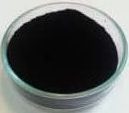
For centuries, textiles have served humanity as passive materials—providing warmth, protection, and aesthetic appeal. But we are now at the cusp of a technological metamorphosis, transforming inert fabrics into active, intelligent systems. At the heart of this revolution lies a humble yet powerful material: conductive carbon. This remarkable nanomaterial is not just a pigment; it's a potent textile additive that is fundamentally altering the properties of fibers, yarns, and fabrics.
For researchers and industries across India, from the bustling textile hubs of Tiruppur to the advanced research labs in Bengaluru, the advent of conductive textiles presents an unprecedented opportunity. By integrating nano carbon black into fabrics, we can create materials that dissipate static electricity, shield against electromagnetic interference, and even act as sensors. This isn't science fiction; it's the tangible future of materials science, offering innovative solutions for sectors as diverse as defense, healthcare, electronics, and industrial safety. This article delves into the world of conductive carbon, exploring its role as a premier antistatic agent, its application in fiber coating, and the burgeoning landscape of conductive textiles in the Indian R&D ecosystem.
Why Researchers Should Champion Conductive Carbon
For the Indian research community, working with conductive carbon black opens up a new frontier of material innovation. The benefits extend far beyond simple conductivity:
- Permanent Performance: Unlike topical antistatic treatments that degrade over time and with washing, conductive carbon provides permanent electrostatic discharge (ESD) protection for the textile's entire lifespan. This is achieved by creating a stable, percolating conductive network within the material.
- Design Versatility: As a polymer filler, conductive carbon can be melt-blended with polymers like polyester, nylon, and polypropylene to create conductive synthetic fibers from the ground up. It can also be used in a carbon dispersion for coating natural fibers, offering incredible flexibility in material choice.
- Durability and Reliability: Textiles treated with conductive carbon maintain their mechanical properties, feel, and color. The carbon particles are physically locked within the fiber matrix, ensuring they don't wear off, making the fabric treatment robust and reliable for critical applications.
- Cost-Effective Innovation: Compared to more expensive alternatives like silver-coated yarns or metallic fibers, nano carbon black provides an economically viable path to mass-produce conductive textiles, a crucial factor for the price-sensitive Indian market.
- Multi-Functional Properties: Beyond conductivity, carbon black enhances UV resistance, improves thermal stability, and provides deep, lasting black pigmentation, offering multiple benefits from a single textile additive.
Real-World Applications: Weaving the Future in India
The practical applications of conductive textiles are vast and are already beginning to reshape Indian industries. Here are some key areas where this nanomaterial is making a significant impact:
Industrial Safety & Cleanrooms
In electronics manufacturing, petrochemical plants, and pharmaceutical cleanrooms, a single spark from static discharge can be catastrophic. Apparel made with conductive carbon as an antistatic agent safely dissipates static charge, protecting sensitive components and preventing explosions. This is a critical area of development for the 'Make in India' initiative in electronics.
Smart Textiles & Wearables
Conductive yarns can act as flexible sensors to monitor heart rate, respiration, and movement. For India's burgeoning health-tech sector, this opens doors for creating smart medical garments for remote patient monitoring and advanced athletic wear that provides real-time performance feedback. The fiber coating technology is key here.
EMI Shielding for Defense & Aerospace
Sensitive electronic equipment used in defense and aerospace must be protected from electromagnetic interference (EMI). Fabrics incorporating a high loading of conductive carbon can create lightweight, flexible Faraday cages, perfect for tents, equipment covers, and specialized garments that ensure operational integrity.
Automotive & Transportation
From car seat fabrics that prevent static shocks to conductive composites that reduce weight and provide EMI shielding for internal electronics, the automotive industry is a major potential market. The use of nano carbon black for conductive textiles in India aligns perfectly with the growth of the domestic automotive manufacturing sector.
The Indian Landscape: Opportunities and Future Trends
The demand for advanced functional textiles in India is on an upward trajectory. Government initiatives like the National Technical Textiles Mission are providing significant impetus for R&D in materials like conductive carbon. Researchers and businesses that focus on developing specialized carbon dispersion formulations for local textile machinery or creating novel polymer-carbon masterbatches (using it as a polymer filler) will find themselves at a strategic advantage.
A key trend is the move towards sustainable manufacturing. Carbon black itself can be produced from recycled feedstocks, and its use as a permanent, durable fabric treatment reduces the need for disposable or chemically intensive alternatives. As the focus on electrostatic control grows in industries to improve product quality and safety, the market for textiles with integrated conductive properties will expand. Indian researchers have the opportunity to lead in creating customized solutions—from developing specific particle sizes of the nanomaterial for optimal conductivity to formulating unique binders for robust fiber coating on indigenous fabrics like jute and cotton.
Frequently Asked Questions
Conductive carbon black is a specialty grade of carbon black, a nanomaterial produced from the incomplete combustion of hydrocarbons. Its unique structure, composed of chained or aggregated carbon particles, creates electrical pathways, allowing it to conduct electricity. When used as a textile additive or in a fiber coating, it imparts permanent antistatic and conductive properties to otherwise non-conductive materials like cotton, polyester, and nylon.
There are several methods. It can be integrated into a carbon dispersion and used in a fiber coating process. Alternatively, it can be compounded with polymers (as a polymer filler) to create conductive filaments that are then woven into fabrics. It can also be applied as a surface treatment or finish to existing fabrics, a process known as fabric treatment.
Yes, it is generally safe. The nano carbon black particles are securely bonded to or embedded within the textile fibers. This prevents them from leaching or causing skin irritation. These textiles meet stringent safety standards, especially for applications like industrial safety wear and medical garments where electrostatic control is critical.
Unlike temporary chemical antistatic agents that wash off or wear out, conductive carbon provides permanent electrostatic dissipation. Its performance is independent of humidity and lasts for the entire lifecycle of the garment, ensuring reliable and long-term protection.