
The Spark of Innovation: Why Anti-Static Flooring is Non-Negotiable
In the bustling industrial landscape of India, from sprawling automotive plants in Chennai to state-of-the-art pharmaceutical labs in Hyderabad, a silent threat lurks: static electricity. An invisible menace, a simple electrostatic discharge (ESD) can wreak havoc, igniting flammable materials, destroying sensitive electronic components, and compromising product quality. For Indian researchers, facility managers, and engineers, mitigating this risk is not just a recommendation—it's a critical necessity. This is where anti-static flooring emerges as a frontline defense.
Traditionally, achieving the right level of flooring conductivity involved compromises—often sacrificing durability for performance or facing exorbitant costs. However, a revolutionary material is changing the game: nano carbon black. This advanced flooring additive is setting a new benchmark for creating robust, reliable, and cost-effective anti-static flooring solutions. By integrating nano carbon black into flooring systems, industries can achieve superior control over static electricity, ensuring enhanced warehouse safety and operational integrity. This guide delves into the science, benefits, and applications of nano carbon black for anti-static flooring, offering a comprehensive resource for Indian professionals aiming to build safer and more productive industrial environments.
Unlocking Superior Performance: Key Benefits for Researchers & Industry
The adoption of nano carbon black as a flooring additive isn't just an incremental improvement; it's a paradigm shift. For researchers and industrial procurement teams in India, the advantages are tangible and compelling. Here’s a breakdown of the key benefits:
- Exceptional Conductivity at Low Concentrations: Thanks to its high aspect ratio and unique nanostructure, nano carbon black creates an effective conductive network throughout the flooring matrix at a much lower loading level compared to conventional carbon blacks or metallic fibers. This translates to minimal impact on the physical properties of the host material.
- Enhanced Mechanical Strength and Durability: By requiring less additive, the flooring system retains more of its inherent mechanical strength, wear resistance, and chemical resilience. This is crucial for high-traffic industrial warehouse environments where floors are subjected to heavy loads, forklift traffic, and chemical spills.
- Permanent and Stable Static Dissipation: Unlike topical anti-static agents that can wear off or humidity-dependent solutions, the conductive network formed by nano carbon black is permanent. It provides reliable, long-term flooring conductivity that is unaffected by environmental changes, cleaning cycles, or surface wear.
- Cost-Effectiveness and Process Efficiency: The lower concentration required (percolation threshold) not only reduces material costs but also simplifies manufacturing and application processes. Its excellent dispersion properties ensure a homogenous conductive medium, reducing batch-to-batch variability and improving quality control.
- Aesthetic Flexibility: Traditional conductive additives often dictate a dark or black finish. While nano carbon black is inherently black, its use at lower concentrations can offer greater flexibility in achieving a range of shades and finishes, a growing demand in modern industrial design.
Powering India's Industries: Where Nano-Enhanced Flooring Shines
Electronics & Semiconductor Manufacturing
In facilities where microchips and sensitive circuits are produced, even a minor ESD event can destroy components. Anti-static flooring with nano carbon black provides a reliable ground path, protecting valuable products throughout the assembly line.
Pharmaceuticals & Healthcare
From cleanrooms to operating theaters, maintaining a sterile, controlled environment is paramount. Nano-enhanced flooring prevents static buildup that can attract dust and contaminants, while also protecting sensitive diagnostic equipment.
Data Centers & Server Rooms
India's digital backbone runs on data centers. ESD poses a significant threat to servers, storage, and networking hardware. A robust carbon black anti-static floor is a critical investment to ensure uptime and data integrity.
Automotive & Aerospace
Modern vehicles and aircraft are packed with electronics. During manufacturing and painting, controlling static is essential to prevent damage to onboard systems and ensure a flawless, dust-free paint finish.
Chemicals & Explosives Handling
In any ATEX or hazardous environment, warehouse safety is the number one priority. Anti-static flooring is mandatory to prevent sparks that could ignite flammable vapors, powders, or liquids, making nano industrial materials indispensable.
Advanced Research & Development Labs
For Indian researchers working with nanomaterials, precision instruments, or sensitive experiments, a stable environment is key. Nano flooring solutions provide the necessary ESD protection to ensure the accuracy and repeatability of scientific results.
The Indian Context: Trends and Opportunities
The demand for high-performance industrial material in India is skyrocketing, driven by initiatives like 'Make in India' and a booming manufacturing sector. The market for specialty chemicals and advanced materials, including nano carbon black for anti-static flooring in industrial warehouses, is poised for significant growth. Indian R&D institutions and private sector players are increasingly focusing on developing indigenous solutions that are both high-quality and cost-effective.
A key trend is the move towards multi-functional materials. Facility owners no longer want just an anti-static floor; they want a floor that is also highly durable, chemically resistant, easy to maintain, and aesthetically pleasing. This is where the versatility of nano flooring additives comes into play. By providing superior flooring conductivity without compromising other physical properties, nano carbon black meets this demand perfectly. As awareness of ESD-related risks grows, and as regulatory standards become more stringent, the adoption of such advanced flooring solutions will transition from being a niche requirement to a widespread industry standard across the subcontinent.
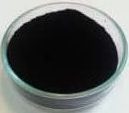
Recommended Conductive Materials


Frequently Asked Questions
Anti-static flooring, also known as Electrostatic Discharge (ESD) flooring, is a type of flooring designed to reduce, dissipate, or prevent the buildup of static electricity. It's crucial in environments with sensitive electronic components or flammable materials, where a sudden static discharge could cause significant damage or safety hazards.
Nano carbon black offers superior performance due to its unique properties. Its high aspect ratio and excellent electrical conductivity mean that a much lower concentration is needed compared to traditional additives. This results in better mechanical strength, uniform conductivity, improved durability, and a more cost-effective solution for creating high-performance anti-static flooring.
Yes. Flooring systems formulated with nano carbon black are highly durable and designed to withstand a wide range of environmental conditions, including the diverse climates across India. The stability of the carbon network ensures that the flooring's conductive properties remain consistent regardless of temperature or humidity fluctuations.
It significantly enhances warehouse safety by preventing electrostatic discharge. In warehouses handling flammable liquids, gases, or dust, a static spark can lead to explosions or fires. In electronics or data centers, it protects sensitive equipment worth millions from being damaged by ESD. This makes it a fundamental safety feature in modern industrial settings.
Ready to Enhance Your Industrial Flooring?
Connect with our experts to explore how nano carbon black and other advanced materials can be integrated into your projects. Get tailored advice and source high-purity materials for your R&D and industrial needs.
Contact Us Today