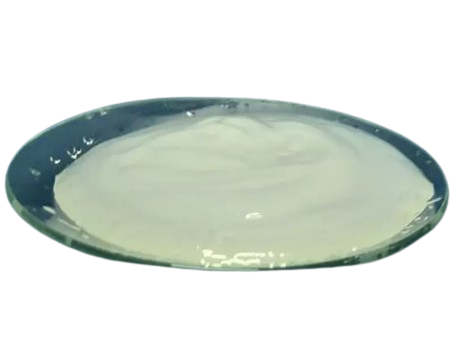
Introduction: The New Wave of Sustainable Skincare
The global cosmetic industry is undergoing a paradigm shift, with consumers increasingly demanding products that are not only effective but also safe, natural, and environmentally friendly. In India, a country with a rich history of natural remedies and a rapidly growing modern cosmetic market, this trend is particularly pronounced. Researchers and formulators are on a constant quest for innovative ingredients that can meet these demands. Enter cosmetic hydrogels, specifically those derived from nanocellulose formulations, a groundbreaking development poised to redefine the future of skincare products.
Hydrogels are remarkable three-dimensional polymer networks capable of holding vast amounts of water. While synthetic hydrogels have been used in cosmetics for years, the focus is now shifting towards natural alternatives. Nanocellulose, derived from abundant resources like wood pulp and bacteria, has emerged as a frontrunner. These materials are not just another 'green' ingredient; they offer superior performance, exceptional biocompatibility, and a host of benefits that synthetic polymers struggle to match. For Indian R&D labs and cosmetic companies, leveraging nanocellulose is a strategic opportunity to innovate and capture a larger share of the burgeoning market for biocompatible cosmetics.
This article delves deep into the world of nanocellulose hydrogels for cosmetic applications. We will explore their properties, the immense benefits they offer to researchers and consumers, their diverse applications across various skincare products, and the specific opportunities this technology presents within the Indian context. From advanced moisturizing agents to novel delivery systems, nanocellulose is setting a new benchmark in the cosmetic industry.
Unlocking Nature's Potential: Key Benefits for Researchers and Formulators
The adoption of nanocellulose in cosmetic formulations is driven by a compelling list of advantages. For scientists and product developers in India, these benefits translate into creating next-generation skincare products that stand out in a crowded marketplace.
- Exceptional Water Retention: Nanocellulose hydrogels can hold water up to several hundred times their own weight. This makes them unparalleled moisturizing agents, capable of providing long-lasting hydration to the skin, reducing transepidermal water loss (TEWL), and maintaining skin plumpness.
- Superior Biocompatibility and Biodegradability: Derived from natural cellulose, these hydrogels are inherently biocompatible, minimizing the risk of skin irritation or allergic reactions. This makes them perfect for sensitive skin formulations. Their biodegradability addresses key environmental concerns, aligning with the principles of sustainable beauty.
- Advanced Rheology and Texture: Nanocellulose formulations exhibit unique shear-thinning properties. This means they are thick and stable in the container but spread easily and smoothly on the skin, creating a luxurious, non-tacky feel. This allows formulators to create elegant textures without relying on synthetic modifiers.
- Effective Delivery System: The porous structure of cosmetic hydrogels can be engineered to encapsulate and deliver active ingredients—such as vitamins, antioxidants, and peptides—deep into the epidermis. This controlled release mechanism enhances the efficacy of the active compounds, leading to better results.
- Film-Forming Properties: When applied, nanocellulose hydrogels can form a thin, breathable, and flexible film on the skin's surface. This "second skin" provides physical protection against pollutants and allergens while locking in moisture.
From Lab to Shelf: Diverse Hydrogel Applications in the Cosmetic Industry
The versatility of nanocellulose hydrogels allows them to be incorporated into a wide array of personal care products. Their unique properties enhance both the performance and the sensory experience of these formulations.
High-Performance Moisturizers and Serums
As potent moisturizing agents, nanocellulose hydrogels are a natural fit for daily-use creams, lotions, and serums. They provide immediate and long-lasting hydration without a greasy residue, making them suitable for all skin types, from dry to oily. Their ability to carry active ingredients makes them ideal for targeted anti-aging or brightening serums.
Revitalizing Face Masks
Bacterial nanocellulose is already being used to create sheet masks that adhere perfectly to facial contours, ensuring maximum contact and ingredient delivery. Hydrogel-based wash-off masks offer a cooling, soothing sensation while deeply hydrating the skin and improving its texture.
Sunscreen Formulations
In sun care, nanocellulose formulations can improve the stability and spreadability of UV filters. The film-forming capability helps create a more uniform protective layer on the skin, potentially boosting SPF efficacy while offering a lightweight feel.
Color Cosmetics
The applications extend to makeup as well. Nanocellulose can act as a stabilizer and thickener in liquid foundations, mascaras, and eyeliners. It helps suspend pigments evenly, prevents caking, and can improve wear-time, contributing to the development of high-performance, biocompatible cosmetics.
The Indian Advantage: Trends and Opportunities in Nanocellulose Cosmetics
The Indian cosmetic market is at a fascinating crossroads of tradition and modernity. There is a deep-rooted trust in natural ingredients, coupled with a growing appetite for scientifically-backed, high-performance products. This creates a fertile ground for the growth of nanocellulose hydrogels for cosmetic applications.
One of the most significant opportunities lies in local sourcing and manufacturing, aligning with the 'Make in India' initiative. India is a major producer of agricultural biomass, such as sugarcane bagasse, rice husk, and cotton linters, which are excellent sources of cellulose. Indian research institutions and startups can pioneer cost-effective methods for extracting and processing nanocellulose from these agro-wastes, creating a sustainable and circular economy. This would not only reduce reliance on imported specialty chemicals but also position India as a key supplier in the global sustainable beauty supply chain.
Furthermore, the demand for transparent and clean labels is pushing brands to innovate. Products featuring nanocellulose can be marketed on a platform of being 'plant-derived,' 'biodegradable,' and 'free from microplastics.' This narrative resonates strongly with the environmentally conscious millennial and Gen Z consumers in India. As the understanding of hydrogel applications grows, we can expect to see a surge in domestic brands launching innovative skincare products centered around these advanced materials.
Frequently Asked Questions
Cosmetic hydrogels are three-dimensional networks of hydrophilic polymers that can absorb and retain large amounts of water. In skincare, they are used as advanced moisturizing agents, delivery systems for active ingredients, and texture enhancers in products like serums, masks, and creams.
Nanocellulose is ideal due to its natural origin, high water retention capacity, biocompatibility, and unique rheological properties. It forms stable, smooth, and non-sticky hydrogels that provide excellent hydration and can create a protective film on the skin, making it a superior ingredient for biocompatible cosmetics.
Yes, nanocellulose is considered highly safe and biocompatible. Derived from plant sources like wood pulp or bacteria, it is non-toxic and biodegradable. Its use in skincare products aligns with the growing demand for natural ingredients and sustainable beauty solutions.
The future is incredibly promising. With a strong focus on 'Make in India' and a growing consumer base demanding sustainable and effective products, nanocellulose formulations are set to grow. Indian researchers are actively exploring locally sourced cellulose to create cost-effective, high-performance cosmetic hydrogels for the domestic and global markets.